

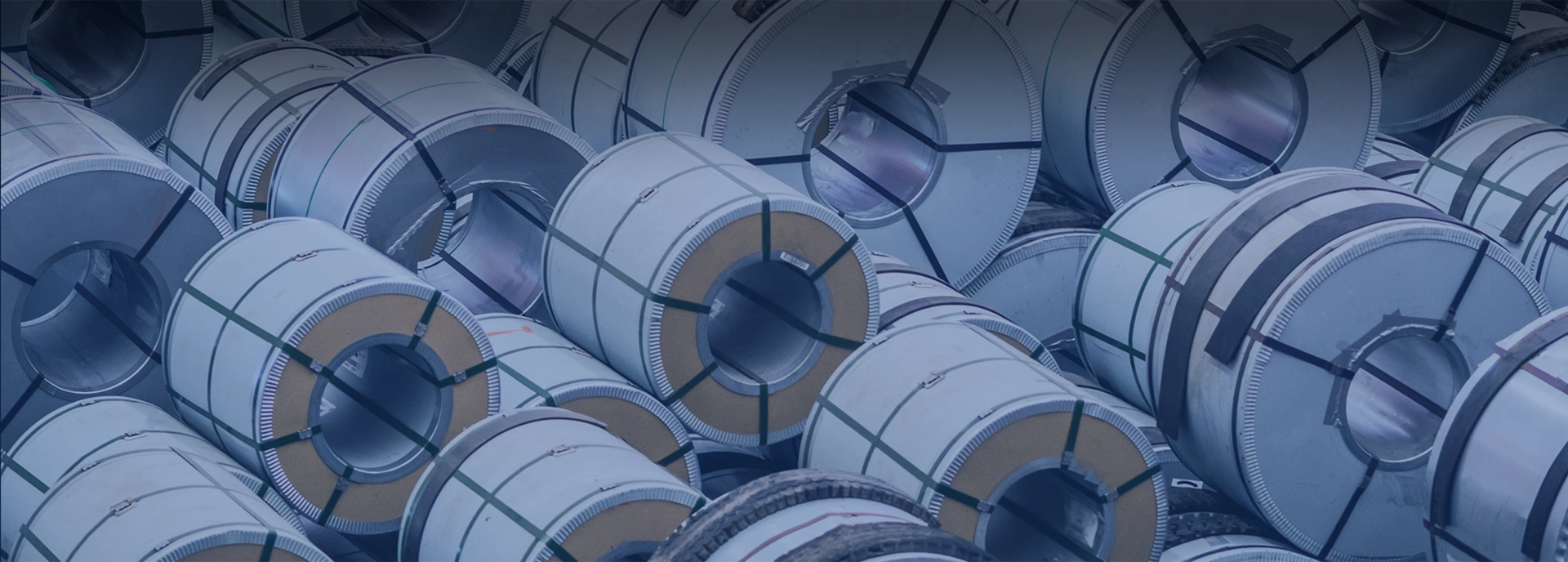
First, the steel plates are carefully inspected upon arrival at the factory. The corrugated steel plates must comply with national regulations, with the waveform and waveform spacing strictly adhering to the design drawings. The length and width are determined based on dimensions, as well as lifting, transportation, and assembly conditions. The corrugated steel pipes, high-strength bolts, and nuts must undergo galvanized anti-corrosion treatment before leaving the factory. Each batch of goods is inspected and accompanied by product certificates.
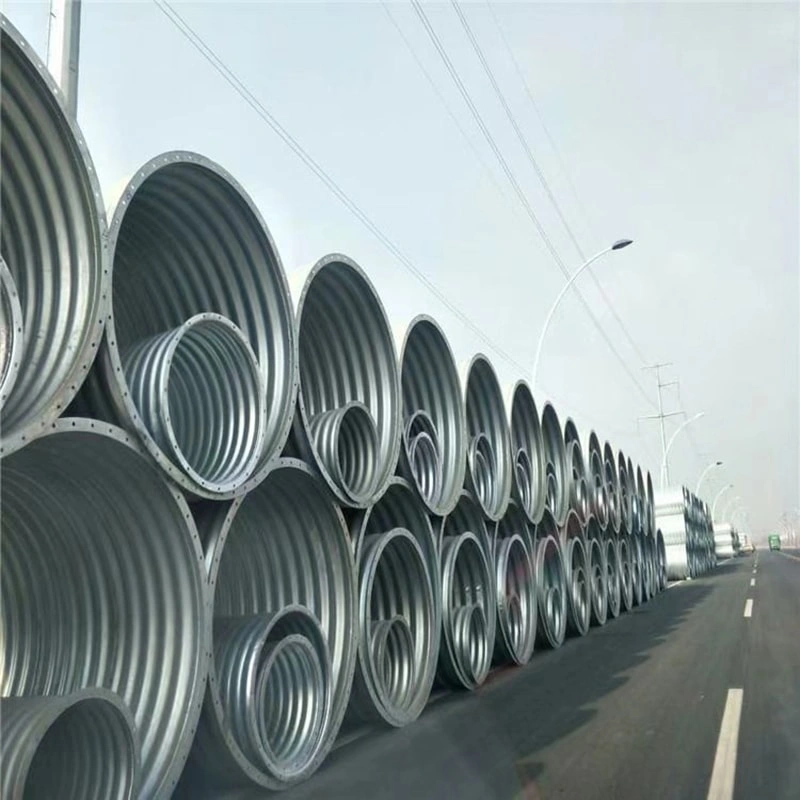
Second, during the transportation and handling of metal corrugated pipe culverts, extra caution must be exercised. Rolling or impacting hard objects is strictly prohibited to prevent deformation of the corrugated pipe walls or damage to the galvanized layer.
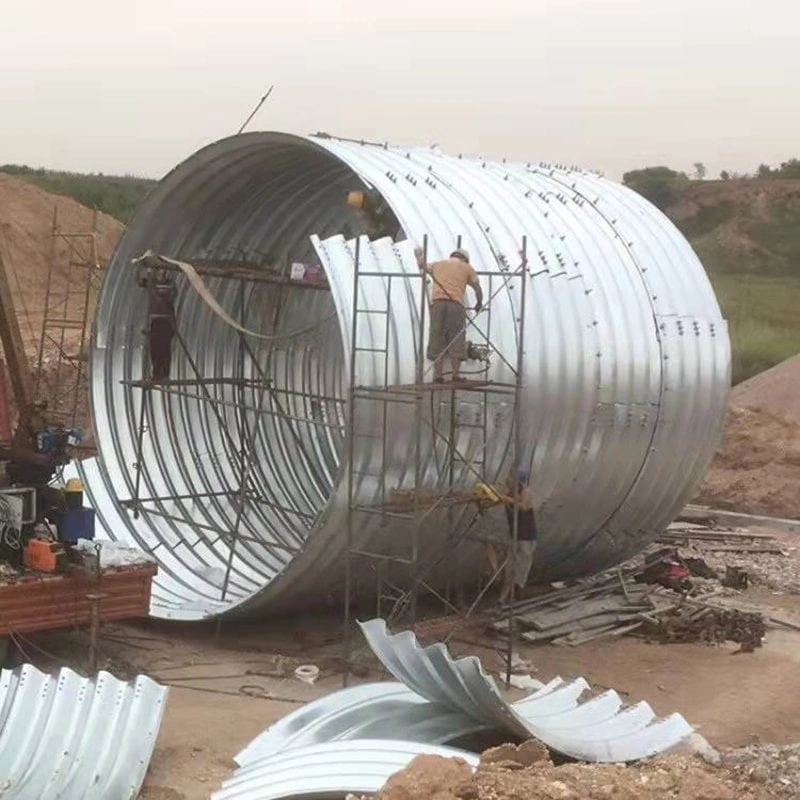
Third, after arriving at the construction site, the dimensions of each piece must be inspected. A random sample of plates and high-strength bolts from the metal corrugated pipe culvert should be selected for testing, including checks on dimensions, corrosion resistance, strength, and other relevant items. The test results must comply with national requirements.
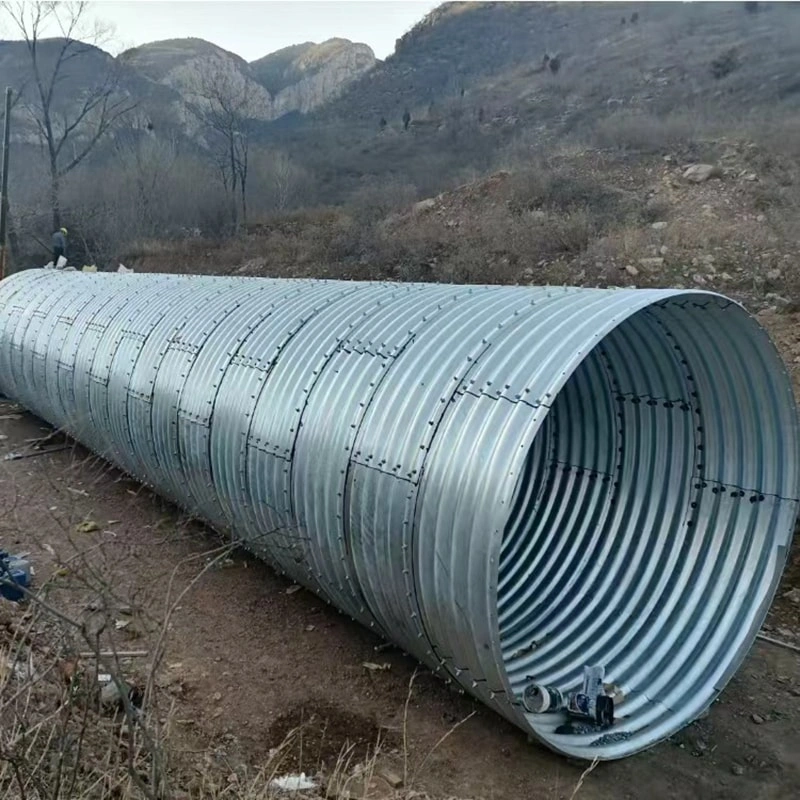
Fourth, after inspection, store the materials in a well-ventilated and spacious area. Protective measures should be taken to prevent the metal corrugated pipes from being soaked by rainwater, which could cause deformation.
